
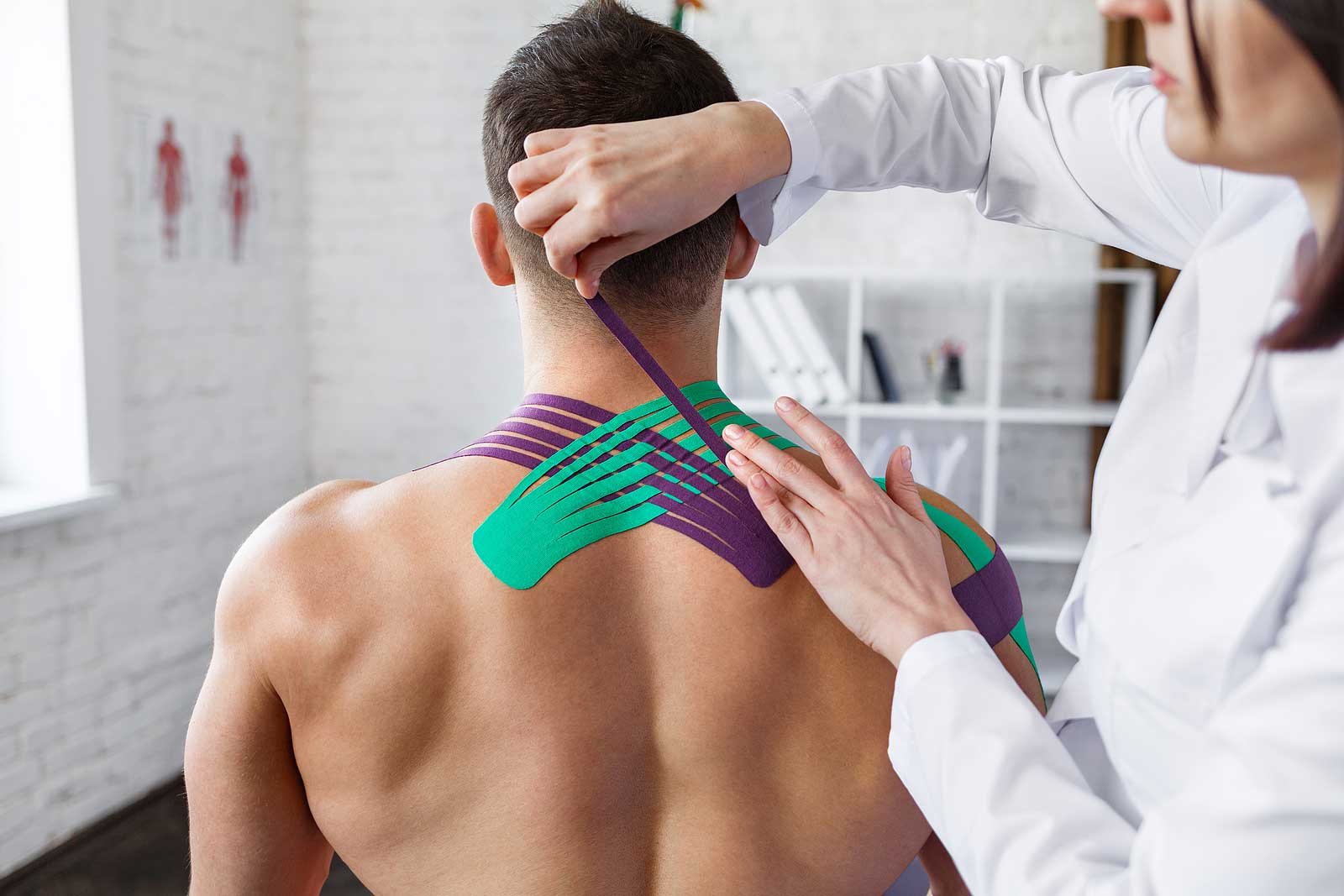
TL;DR: Neck stiffness, limited mobility, muscle tension, and headaches may coexist with dizziness or vertigo. In some cases, neck-related symptoms may contribute to dizziness or imbalance, while in others they develop alongside a vestibular disorder or as a result of vertigo. An assessment by a qualified healthcare professional can help determine whether orthopedic care should complement vestibular treatment. Neck symptoms should not automatically be assumed to be the cause of dizziness.
If you have a history of dizziness, vertigo, recurring BPPV, or unexplained neck stiffness, you may be focused primarily on your inner ears or vestibular health care.
But what about your neck?
This blog was inspired by a recent conversation with one of my patients. She asked me why getting professional orthopedic care for her neck had been such an important part of her full recovery.
It was a great question because the role of the neck is often overlooked in patients with dizziness and vertigo.
In my clinical practice, I consider the role of the neck as part of my comprehensive assessment of dizziness and vertigo. Sometimes a neck problem may be contributing directly to dizziness. Other times, neck tension and stiffness develop secondarily as the body compensates for a vestibular problem such as BPPV. In many patients, vestibular and neck problems coexist.
Importantly in my experience, you do not necessarily have to complain of neck pain for your neck to be involved.
Asymmetrical neck stiffness, reduced range of motion, muscle tension, headaches, or symptoms triggered by certain head movements may all be clues that the neck deserves attention.
Here are five reasons why I may recommend professional orthopedic care for the neck as part of a comprehensive recovery plan for my patients with dizziness and vertigo.
1. Address Neck Muscle Tension, Trigger Points, and Stiffness
If you have pain or tension at the base of your skull or anywhere in your neck, skilled orthopedic care may help address muscle trigger points, stiffness, and restricted mobility.
Many patients with vertigo or recurrent BPPV develop significant neck tension. When you don’t trust your balance system, you may unconsciously stiffen your neck to provide a sense of stability.
Over time, that protective response can create its own problems.
Trigger points in the neck muscles can contribute to chronic headaches at the base of the skull. Certain muscles, including the sternocleidomastoid (SCM), can also have dizziness within their referral pattern.
Posture can play a role as well. Neck tension associated with dizziness may involve spinal alignment, muscle tension, and tightness in the fascia of the upper body.
That is why I don’t automatically dismiss neck stiffness and muscle tension as unrelated symptoms in someone recovering from BPPV, dizziness, or vertigo.
2. Assess Upper Neck Mobility and Asymmetrical Stiffness
The first two bones at the top of your neck are called the C1 atlas and C2 axis.
In my clinical experience, alignment problems involving C1 or C2 can contribute to dizziness, lightheadedness, vertigo, imbalance, and sometimes tinnitus or headaches.
One clue I look for is asymmetrical neck stiffness.
For example, can you turn your head more easily to one side than the other? Does one direction feel noticeably tighter or more restricted?
Traditional healthcare often considers cervicogenic dizziness primarily when someone also has neck pain or a diagnosed cervical condition. However, in my clinical practice, I have observed patients with cervical vertigo whose primary neck complaint was stiffness rather than pain.
That is an important distinction.
You can have a neck problem contributing to dizziness even if your neck does not hurt.
When I suspect an upper cervical component, I assess neck mobility and use specialized physical therapy testing as part of my evaluation.
If appropriate, I may refer the patient to an experienced provider who specializes in upper cervical care.
Because of the delicate structures in this region, including the brainstem and blood vessels, I believe the upper cervical spine must be treated with great care. I only recommend experienced providers for my patients when I believe this type of care is appropriate.
3. Address Neck Symptoms That May Complicate Headaches and Vertigo Recovery
The third reason to consider orthopedic care is headaches.
Neck dysfunction may contribute to headaches at the base of the skull, tension headaches, migraines, and vestibular migraines.
This can become especially important during vestibular rehabilitation.
For example, the Epley maneuver requires the head and neck to move through rotation and extension. If someone already has an upper cervical problem, those positions can sometimes aggravate their neck symptoms.
Traditional VOR exercises also involve repetitive, rapid head movements. In patients with significant neck pain, stiffness, or suspected upper cervical dizziness, I carefully consider whether and when those exercises are appropriate.
I have seen patients experience increased neck pain, headaches, migraines, or lightheadedness during vestibular rehabilitation when an underlying neck problem had not yet been adequately addressed.
In these situations, I may recommend concurrent orthopedic care while I continue treating the vestibular component.
The goal is not simply to get rid of the spinning. The goal is to address the different factors that may be preventing a full recovery.
4. Understand When Neck-Related Dizziness Needs Medical Evaluation
Another reason I pay attention to the upper cervical spine is its close anatomical relationship with the vertebral arteries.
You have a vertebral artery on each side of your neck. These arteries travel through openings in the cervical vertebrae and supply blood to important structures in the posterior portion of the brain.
Because of this anatomy, neck position and cervical issues deserve careful consideration in patients whose dizziness changes with head or neck position.
For example, I have previously discussed how looking upward can cause dizziness from different possible sources, including BPPV, cervical problems, or problems involving blood flow to the brain.
In my clinical approach, I also consider whether upper cervical alignment problems could potentially affect blood flow through this region. This is one reason I believe proper assessment, and cautious treatment by an experienced provider, is so important.
Symptoms such as dizziness or vertigo associated with certain neck positions should not simply be ignored or assumed to be BPPV.
If symptoms are new, severe, unusual, or concerning, medical evaluation is important to rule out vascular or other serious causes.
5. Consider the Neck as Part of a Comprehensive Recovery Plan
This final reason brings everything together.
Over the years, I have recommended orthopedic care for patients with neck stiffness, muscle tension, restricted mobility, headaches, migraines, and suspected upper cervical involvement.
Sometimes those patients have obvious neck pain.
Sometimes they don’t.
I frequently recommend orthopedic evaluation when I find asymmetrical neck stiffness or tension, even in a patient who does not complain of neck pain and has never been diagnosed with a specific neck condition.
In my clinical experience, patients who address both their vestibular issues and significant neck impairments concurrently can have excellent outcomes.
That is why my approach is not to automatically separate the vestibular system from the neck. Instead, I ask:
What role is the neck playing in this patient’s dizziness or vertigo?
The neck may be the primary problem. It may be compensating for an inner-ear disorder. It may have become aggravated during vestibular rehabilitation. Or the patient may have both a vestibular disorder and an orthopedic neck problem at the same time.
Identifying and addressing all of the relevant factors gives us the best opportunity to work toward a full recovery.
Sometimes there is a deeper root cause of the neck problem that needs to be addressed to prevent chronic or recurrent dizziness from the neck.
You Don’t Need Neck Pain to Have Neck Stiffness
I want to bust the myth that you should only seek professional care for your neck if you have neck pain or a diagnosed neck pathology.
If you have dizziness or vertigo along with asymmetrical neck stiffness, limited range of motion, muscle tension, tightness, headaches, or symptoms associated with certain neck positions, I believe your neck deserves a closer look.
Restoring comfortable mobility and addressing muscle tension or upper cervical dysfunction may be an important piece of your recovery.
This is especially important for people with recurring BPPV or for those who have improved with vestibular treatment but still don’t quite feel fully recovered.
As I often remind my patients, dizziness and vertigo can have more than one root cause. Successfully treating one problem does not mean another problem isn’t still present.
For some patients, specialized vestibular care and skilled orthopedic care work best together.
Special thanks to my patient who recently asked me why orthopedic care had been such an important key to her recovery. Her thoughtful question inspired this blog, and I hope this discussion helps other people with dizziness and vertigo consider whether their neck might be an overlooked piece of the puzzle.
Related Article: Nine Strategies to Get Relief from Cervical Dizziness on VertigoDetective.com.
Frequently Asked Questions
Can neck stiffness cause dizziness?
Neck stiffness and dizziness can occur together, and some patients may experience dizziness or imbalance associated with neck symptoms. However, the relationship is not always clear, and other causes, including BPPV and vestibular migraine, may produce similar symptoms. A healthcare professional can assess the neck and vestibular system to help determine the appropriate next steps.
Can you have neck-related dizziness without neck pain?
Neck stiffness or restricted movement may occur without significant neck pain. Stiffness alone does not establish that the neck is causing dizziness, but is still worth addressing to restore full neck mobility. A thorough assessment should consider the timing of symptoms, neck mobility, vestibular findings, and other possible causes.
Can orthopedic physical therapy help with dizziness and vertigo?
Orthopedic physical therapy may help address neck pain, muscle tension, headaches, and restricted mobility when these problems are present. Whether it improves dizziness depends on the underlying cause. Some people benefit from coordinated orthopedic and vestibular care, while others need a different evaluation or treatment approach.
Disclaimer
This blog is provided for informational and educational purposes only. The content and any comments by Dr. Kim Bell, DPT are not intended to be a substitute for professional medical advice, diagnosis, or treatment. Always seek the advice of your physician or other qualified health provider with any questions you may have regarding a medical condition. The details of any case mentioned in this post represent a typical patient that Dr. Bell might see and do not describe the circumstances of a specific individual.


